Solar + Storage: Powering a Smarter, Cleaner Pakistan

What Is Solar + Storage?
At its core, the concept is simple: generate electricity from the sun and store the excess in batteries. Instead of wasting surplus solar energy during the day, it’s saved for later use—whether that’s during the night, in cloudy weather, or during load-shedding.
This isn’t the future anymore—it’s happening right now.
Why Now? Timing Is Everything

In 2025, three forces are converging to make solar + storage unstoppable:
- Solar panels are cheaper than ever – thanks to global oversupply and low-cost imports.
- Battery technology has matured – modern lithium-ion batteries last longer, work better in heat, and are becoming more affordable.
- The national grid is struggling – frequent blackouts, rising tariffs, and unstable infrastructure are pushing homes and businesses to find alternatives.
From Backup to Independence

Traditionally, batteries in Pakistan were used as backups during load-shedding. Now, with solar integration, storage isn’t just about survival—it’s about independence. Homes can operate off-grid for hours. Businesses can avoid peak electricity tariffs. Hospitals and schools can maintain critical operations without relying on diesel generators.
This is a shift from reactive energy use to proactive energy management.
A Growing Sector with Big Potential

In just the first half of 2025, over 1.2 GWh of battery systems were installed across Pakistan—a jump of more than 300% from the previous year. Major industrial players like cement factories, textile mills, and food processing units are investing heavily in solar + BESS (Battery Energy Storage Systems) to reduce energy bills and carbon emissions.
Even housing societies and apartment buildings are pooling resources to create shared solar storage hubs, making clean energy accessible to more people.
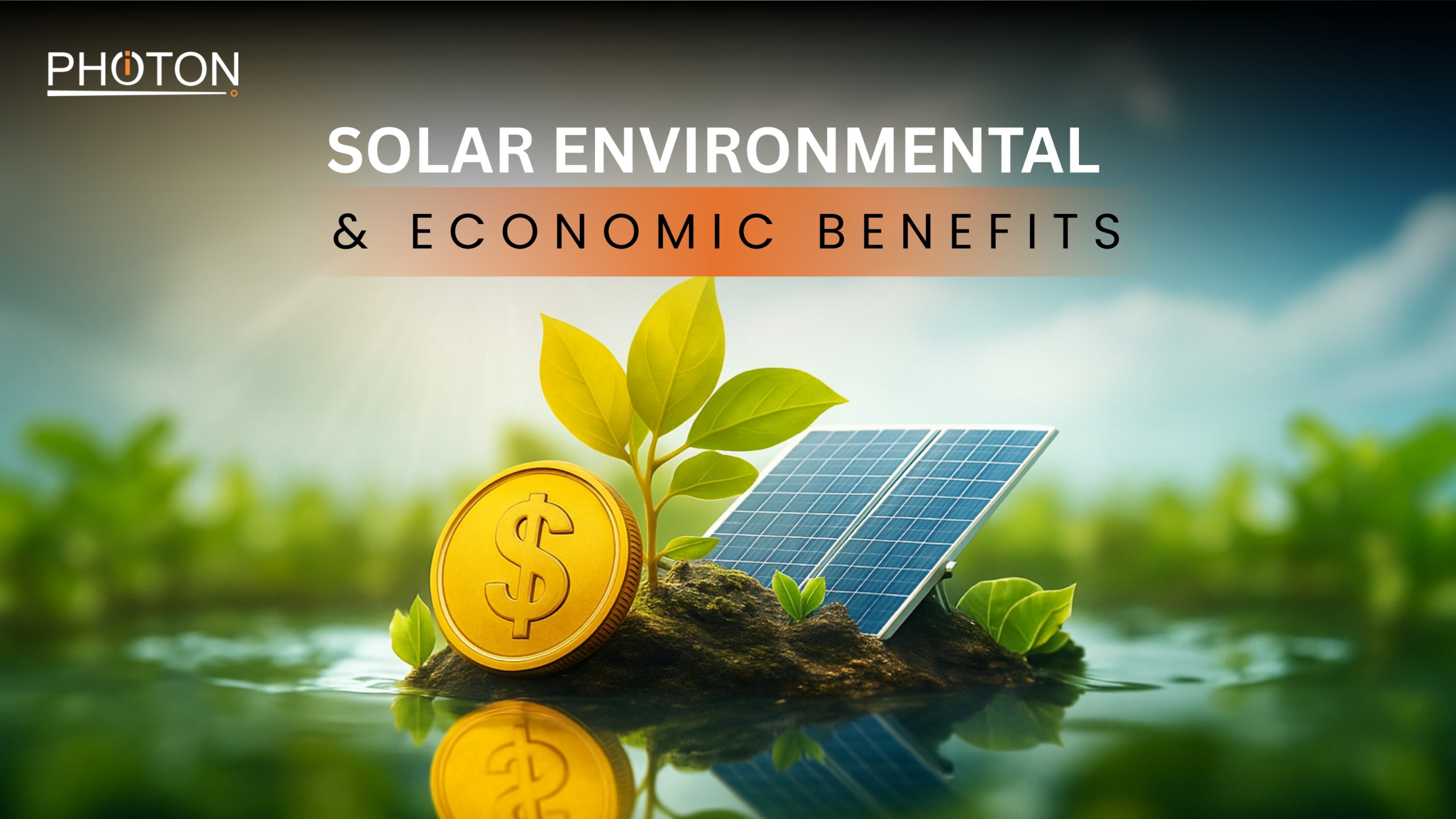
Environmental and Economic Win
Solar + storage systems aren’t just good for your wallet—they’re also good for the planet.
- Less diesel generator usage means lower air pollution.
- Reducing reliance on imported fossil fuels helps stabilize the rupee.
- Energy storage reduces pressure on the grid during peak hours, helping avoid blackouts.
It’s a win-win-win—for individuals, the economy, and the environment.
Looking Ahead: The Future of Energy Is Decentralized

The rise of solar + storage marks the shift from centralized power plants to a decentralized energy network, where power is generated close to where it’s used. Imagine a future where:
- Neighborhoods run on shared solar microgrids
- Homes sell energy back to the grid from their batteries
- Entire villages are powered without a single transmission line
That future is within reach—and already happening in parts of Pakistan.
Final Word: Store the Sun, Power Your Life
Pakistan has all the ingredients for an energy revolution: sunlight, demand, and now, storage. Whether you’re a homeowner, a business owner, or a policymaker, solar + storage isn’t just a smart choice—it’s a necessary one.
The sun gives us more than enough power. The smart thing is to keep it for when we need it.